Frances Rothwell Hughes
CTG Birth Scrolls
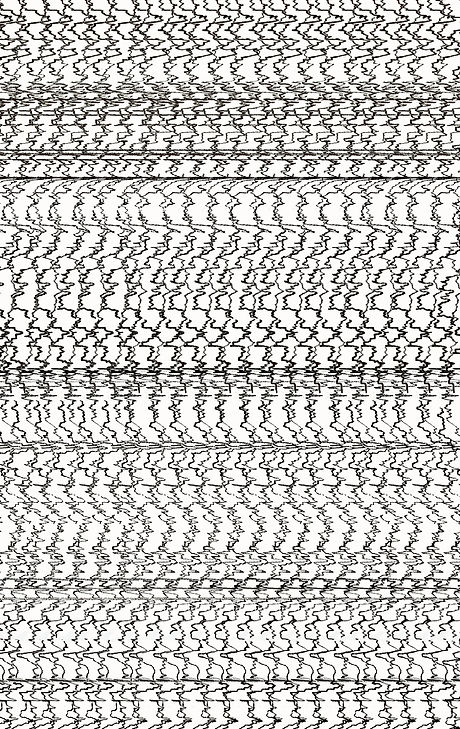
I've been thinking about CTG scans produced during labour as contemporary 'birth scrolls'. Medieval and early modern birth scrolls were long rolls of parchment covered in prayers to assist with the pains and perils of childbirth. CTG scans record fetal and maternal heart rates as well as contractions during labour, producing long scroll-like scans. The birthing person wears the monitors around their stomach like a birthing girdle, and there is material evidence on at least one historic birthing scroll that they were worn around the woman's body, like girdle relics, continuing the resonances. And just as medieval midwives or priests used the prayers on birth scrolls to help console women in labour, so CTG scans are used by midwives today to help them guide women through clinical decisions during birth. Many medieval birthing scrolls feature metrical prayers, asking the reader to visually calculate apotropaic sizes like the dimensions of the cross or the amount of blood spilled from Christ's side wound. I wondered if I could turn the measurements of my CTG scan into something equally meditative or prayerful. I requested a copy of my medical records from my son's birth, including the CTG scan, which records our heart rates during the last couple of hours before he was born. It feels like a contact relic, a trace of our final moments as one entity.